A budget guitar amp should make practice easier, not more confusing. The right choice depends on where you play, how loud you can be, and whether you want one simple sound or many options.
The most useful budget-amp questions are what a guitar amplifier does, which amp type fits your playing, how Fender-style and Marshall-style practice amps differ, whether beginners need a separate preamp, and which budget category makes sense before looking at current prices.
What To Look For
For home practice, prioritize size, headphone output, clean volume, and simple controls. If the amp has built-in effects, treat them as a bonus, not the main reason to buy.
The first question is volume. A beginner home amp does not need to be huge. In many houses and apartments, the useful amp is the one that sounds decent at low volume and has a headphone output.
The second question is guitar type. Electric guitar amps and acoustic guitar amps are not aimed at the same sound. Electric amps are often built for clean, crunch, overdrive, and effects. Acoustic amps usually aim for a cleaner, fuller reproduction of an acoustic-electric guitar.
What Is A Guitar Amplifier?
A guitar amplifier takes the signal from a guitar and makes it loud enough to hear through a speaker. Combo amps put the amplifier and speaker in one box. That is the usual starting point for practice because it is simple and portable.
Many amps have a preamp stage and a power amp stage. The preamp shapes the tone and gain. The power amp drives the speaker. As a buyer, you do not need to obsess over the circuit first. You need an amp that fits your guitar, room, and volume needs.
Practice Amp Vs Modeling Amp
A simple practice amp is best when you want to plug in and play. A modeling amp is better if you want to explore several tones without buying pedals.
Modeling amps can be useful because they include different amp voices and effects. They can also distract beginners who spend more time browsing presets than practicing. If you enjoy tone experiments, modeling is a good path. If you want fewer decisions, choose a simple practice amp with clean and drive controls.
Common Amp Types
| Amp Type | Best Fit | Main Benefit | Main Tradeoff |
|---|---|---|---|
| Solid-state combo | Beginners and home practice | Reliable, affordable, simple | Less tube-style response |
| Modeling combo | Players who want many sounds | Built-in amp voices and effects | More menus and options |
| Tube amp | Players chasing classic response | Dynamic feel and natural breakup | More cost and maintenance |
| Acoustic amp | Acoustic-electric guitar | Cleaner acoustic reproduction | Not ideal for electric rock tones |
Fender vs Marshall-style Practice Amps
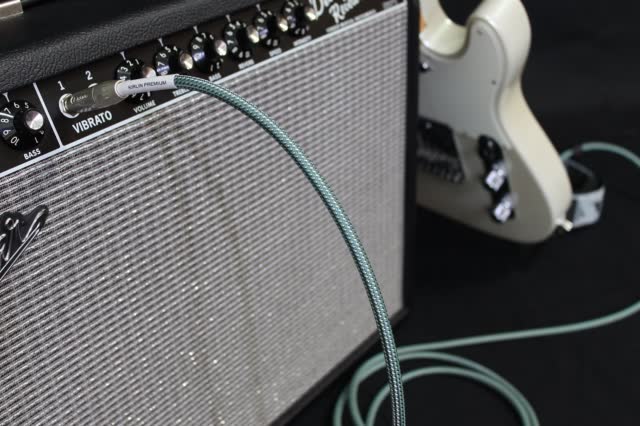
Fender-style practice amps are often chosen for clear clean sounds and straightforward controls. Marshall-style practice amps are often chosen for crunchier rock tones and a familiar midrange character.
That does not mean one brand is always better. It means the sound target is different. If you mostly practice clean chords, country, blues, or general lessons, a Fender-style small combo is a safe starting point. If you want classic rock practice tones, a Marshall-style combo may feel more familiar.
Acoustic Guitar Amps
If you play an acoustic-electric guitar, consider an acoustic amp rather than a normal electric guitar amp. Acoustic amps are usually voiced to keep the acoustic character clearer. Many also include inputs that work better for small singer-songwriter setups.
For purely unplugged acoustic guitar, you do not need an amp at all. For an acoustic-electric pickup, the amp choice matters because a regular electric amp can make the acoustic sound boxy or unnatural.
Do You Need A Preamp?
Most beginners do not need to buy a separate preamp. A practice amp already includes the basic tone-shaping stages you need. Add extra gear later when you understand the exact problem you are solving.
If the amp sounds bad, start with setup basics: guitar volume, amp EQ, cable quality, pickup selection, and room volume. A preamp is not a magic fix for the wrong amp or a noisy cable.
What To Avoid
Avoid buying only by wattage. A loud amp with poor controls can be worse for beginners than a smaller amp that sounds good at low volume.
Also avoid buying an amp only because it has the longest effects list. Effects are fun, but the core clean and overdrive sounds matter more. If the basic sound does not make you want to play, the extra effects will not fix it.
Budget Amp Comparison
| Pick Type | Good For | Why It Works |
|---|---|---|
| Fender Champion-style amp | General electric practice | Simple controls and useful clean-to-drive range |
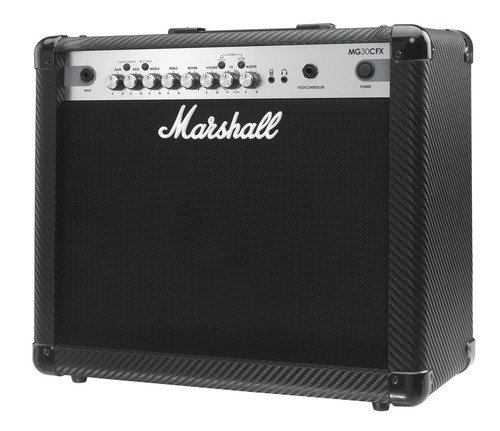
| Marshall MG-style amp | Rock practice | Compact combo format with a more rock-focused voice |
| Line 6 Spider-style modeling amp | Tone variety | Built-in models and effects for experimenting |
| Behringer Ultracoustic-style amp | Budget acoustic-electric practice | Cleaner voice for acoustic pickup sounds |
| Guitar-and-amp starter kit | Absolute beginners without gear | Convenient bundle, but usually weaker amp quality |
1. Fender Champion-style Practice Amp
A Fender Champion-style practice amp is the safest starting point for many electric guitar beginners. The idea is simple: compact combo, usable clean tone, basic drive sounds, and enough control to practice without needing a pedalboard.
This category fits lessons, bedroom practice, and players who want a straightforward electric guitar amp. It is not the right choice for loud rehearsals with a drummer, but that is not the job of a small practice amp.
2. Marshall MG-style Practice Amp
A Marshall MG-style practice amp is the more rock-leaning budget path. It makes sense if you care more about crunch and classic rock practice tones than pristine acoustic-style clean sounds.
The advantage is personality. A small Marshall-style combo can make practice more fun for riff-focused players. The tradeoff is that it may not be as flexible for every clean style or acoustic-electric use.
3. Line 6 Spider-style Modeling Amp
A Line 6 Spider-style amp is for players who want variety. Modeling amps can include several amp voices and effects, which helps a beginner hear the difference between clean, crunch, high gain, delay, and modulation without buying separate pedals.
The risk is distraction. If you spend all practice time flipping presets, progress slows down. Choose this lane if sound exploration keeps you playing, not if it pulls you away from learning songs.
4. Behringer Ultracoustic-style Practice Amp
An acoustic-style practice amp is worth considering for acoustic-electric guitar. These amps are usually cleaner and more full-range than small electric guitar amps, which helps the pickup sound more natural.
This is not the first pick for distorted electric guitar. It is a budget lane for players who want to amplify an acoustic-electric at home, in a small room, or for simple singer-songwriter practice.
5. Electric Guitar And Amp Starter Kit
A starter kit is not the highest-quality amp choice, but it solves a real beginner problem: no guitar, no amp, and no accessories. If the goal is to start playing quickly, a kit can be practical.
The tradeoff is upgrade path. The included amp is usually basic and may be the first item you outgrow. A kit makes sense when convenience and price matter most. If you already own a guitar, buy the amp separately.
What To Buy First
For most electric beginners, a compact practice amp with headphone output is enough. If you know you want many tones and effects, choose a modeling amp. If you play acoustic-electric, look at acoustic amps instead.
Do not buy a large stage amp for bedroom practice. It may never reach the volume where it sounds good, and it will be harder to live with.
Bottom Line
Most beginners should buy a compact practice amp with headphone output and enough tone control to stay useful for the first year.