
A guitar string is a vibrating wire or nylon filament held under tension. When you pluck it, it vibrates at a pitch. The guitar body or pickups translate that vibration into the sound you hear.
That small piece of wire or nylon has a huge effect on the instrument. Strings change tone, tuning stability, feel, volume, sustain, and how much effort your fretting hand needs.
The Parts Of A String
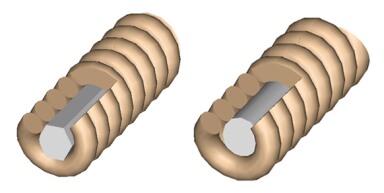
Many guitar strings have a core and a wrap wire. The core provides the main tension. The wrap wire adds mass and changes the feel and tone. Plain strings, like the high E on many guitars, may not have an outer wrap.
On a wound string, the core is the center wire and the wrap wire is wound around it. Acoustic bass strings, lower electric guitar strings, and lower acoustic guitar strings are usually wound. The plain treble strings are usually a single wire.
The wrap wire is one reason strings with the same gauge can sound different. Bronze, phosphor bronze, nickel, stainless steel, and flatwound construction each push the guitar in a different direction.
Why Gauge Matters
Gauge is string thickness. Thicker strings usually feel tighter and can sound louder or fuller. Thinner strings are easier to fret and bend. Your ideal gauge depends on guitar type, tuning, hand comfort, and playing style.
Beginners often do better with lighter gauges because they reduce fretting effort. Strong strummers, down-tuned players, and some flatpickers may prefer heavier gauges because the strings feel more stable under the pick.
Why Winding Matters
Roundwound strings are bright and textured. Flatwound strings are smoother and warmer. Halfwound strings sit between the two. Acoustic players also need to think about bronze alloys; electric players need magnetic materials that work well with pickups.
Roundwound strings are the common starting point. They are lively and familiar, but they can make more finger noise. Flatwound strings feel polished and tend to reduce squeak, but they usually sound darker. Halfwound strings aim for a middle ground.
Common Wound String Types
| Type | Feel | Typical Sound | Common Use |
|---|---|---|---|
| Roundwound | Textured | Bright and lively | Most acoustic, electric, and bass playing |
| Flatwound | Smooth | Warm and controlled | Jazz, vintage tones, reduced finger noise |
| Halfwound | Smoother than roundwound | Balanced between round and flat | Players who want less squeak without going fully flatwound |
Acoustic vs Electric Strings
Acoustic steel strings are designed to drive an acoustic top. They commonly use 80/20 bronze or phosphor bronze wraps. Electric strings need to work with magnetic pickups, so nickel-plated steel and similar materials are more common.
Classical guitars are different again. They use nylon or classical-style strings and should not be treated like steel-string acoustics.
When To Change Strings
Change strings when they sound dull, feel rough, look corroded, refuse to stay in tune, or no longer match the tone you want. There is no fixed schedule because sweat, playing time, and climate all matter.
If your strings turn dark, feel gritty, or leave residue on your fingers, they are past their best. If tuning keeps drifting after the strings are properly stretched, age and corrosion may be part of the problem.
Simple Starting Point
If you are new, buy a known light-gauge set that matches your guitar type. Learn what it feels like, then adjust one variable at the next change.
For acoustic, that often means light phosphor bronze. For electric, that often means a comfortable nickel-plated steel set. For bass, choose the correct scale length first, then decide between roundwound and flatwound based on tone.