
The best acoustic guitar strings depend on your guitar, your hands, and the sound you want from the instrument. A bright 80/20 bronze set can wake up a dark-sounding acoustic. A phosphor bronze set often gives a warmer, rounder, more balanced response. A coated set can keep a useful tone longer, but it also changes the feel and usually costs more.
The comparison below focuses on the parts that still matter when prices and packaging change: material, gauge, coating, tone goal, and who each set fits best. Use it as a starting point, then judge the final choice against your guitar, your hands, and how often you want to change strings.
Acoustic Guitar String Comparison
| Pick | String Set | Material | Best Fit | Main Tradeoff |
|---|---|---|---|---|
| 1 | D’Addario EJ16 Phosphor Bronze Light | Phosphor bronze | Most players who want a safe starting point | Not as long-lasting as many coated sets |
| 2 | Elixir Phosphor Bronze Nanoweb | Coated phosphor bronze | Players who want longer useful life | Higher price and coated feel |
| 3 | Elixir 80/20 Bronze Nanoweb | Coated 80/20 bronze | Players who want a brighter coated string | May be too bright on some guitars |
| 4 | Martin MSP4200 Phosphor Bronze Medium | Phosphor bronze | Strummers who want a stronger medium-gauge feel | More tension under the fingers |
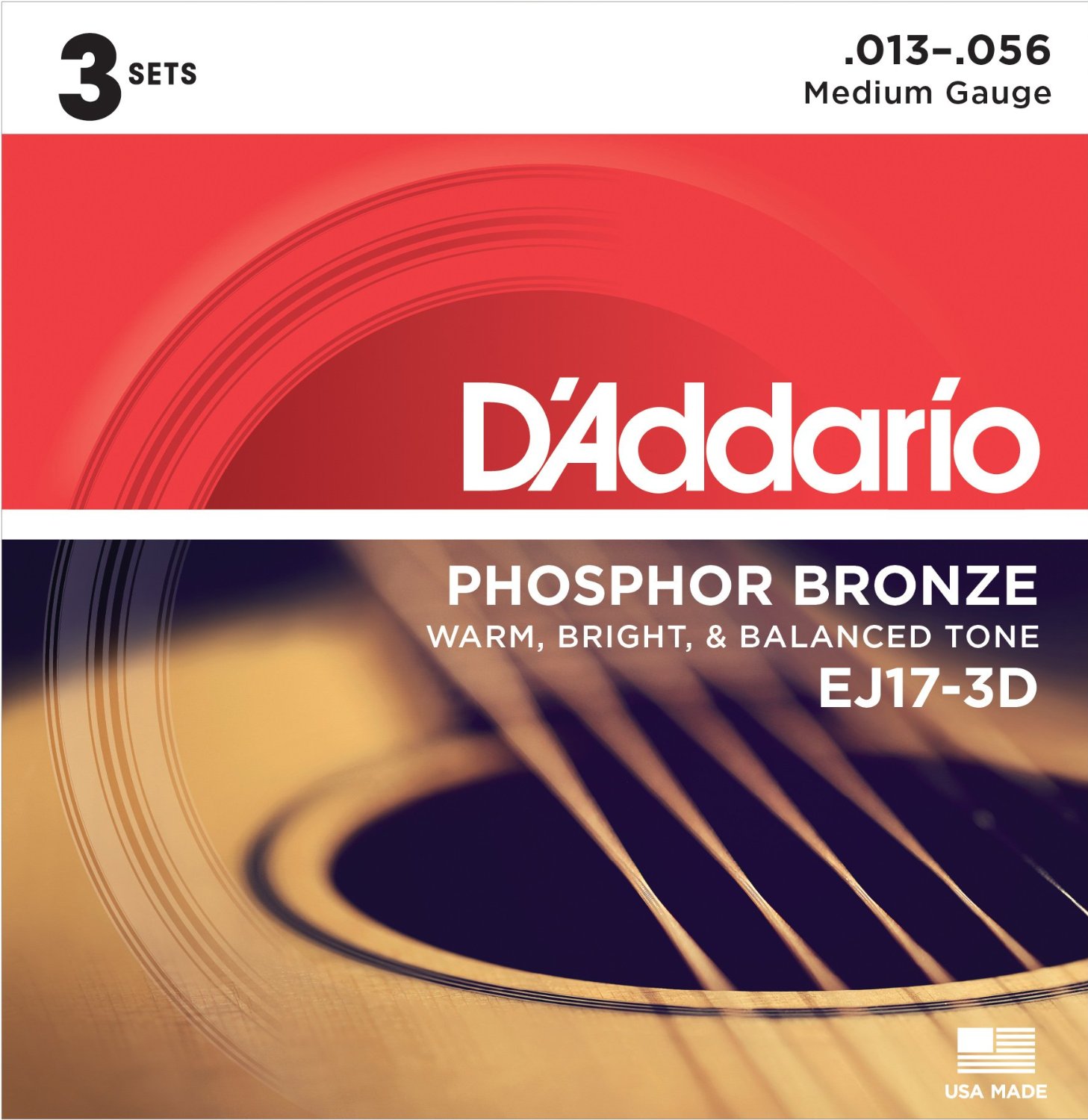
| 5 | D’Addario EJ17 Phosphor Bronze Medium | Phosphor bronze | Dreadnoughts, flatpicking, and stronger attack | Less forgiving than light gauge |
80/20 Bronze vs Phosphor Bronze
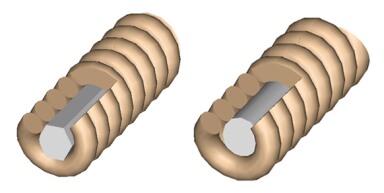
The wrap wire is one of the biggest reasons acoustic guitar strings sound different from one another. Most steel-string acoustic sets use a steel core with a bronze-family wrap wire. The two common choices are 80/20 bronze and phosphor bronze.
80/20 bronze is often described as brighter and more immediate. It can add sparkle to a darker guitar, cut through a dense strumming part, and give new strings a crisp attack. The tradeoff is that some players hear 80/20 bronze as less warm, and on an already-bright instrument it can become sharp or thin.
Phosphor bronze usually sounds warmer and more balanced. It still has top-end clarity, but it tends to bring more body to the low and midrange. If you are buying strings for one main acoustic and you are not sure where to start, a light phosphor bronze set is the most conservative choice.
Coated vs Uncoated Strings
Coated strings use a thin protective layer to slow down corrosion and keep grime from settling into the winding as quickly. That matters if your strings go dead fast, if your hands sweat a lot, or if you do not enjoy frequent string changes.
The downside is feel and price. Some players like the smoother surface because it reduces finger noise and feels easier under the hand. Others prefer the texture and attack of uncoated strings. If you are on a tight budget and change strings often anyway, uncoated phosphor bronze can be the better value. If you want fewer changes and a more consistent string life, coated strings deserve a look.
Gauge: Light vs Medium
Gauge affects playability as much as tone. Light acoustic strings are easier to fret, easier to bend, and friendlier for beginners or players with hand fatigue. They also work well on many smaller-body guitars.
Medium strings add tension. That can mean more projection, more resistance under a heavy pick, and a stronger feel on big-bodied guitars. The tradeoff is comfort. If you mostly fingerpick lightly or you are still building hand strength, medium strings can feel like unnecessary work.
1. D’Addario EJ16 Phosphor Bronze Light
D’Addario EJ16 is the safest first pick for many acoustic players because it sits in the middle of the map. It is a light-gauge phosphor bronze set, so it is easier to play than a medium set while still giving the warmer acoustic voice that many players expect from phosphor bronze.
This is the set to consider if you play a mix of strumming, practice, songwriting, and basic recording. It does not force a strong personality onto the guitar. Instead, it gives you a familiar baseline that makes later comparisons easier. If you later want more tension, you can move toward EJ17. If you want longer useful life, compare it against a coated Elixir phosphor bronze set.
The main downside is lifespan. EJ16 is not the best choice if your strings corrode quickly or if you want the longest possible time between string changes. It is also not the loudest option for aggressive flatpicking. For most everyday acoustic playing, though, it is the reference point I would start from.
2. Elixir Phosphor Bronze Nanoweb
Elixir Phosphor Bronze Nanoweb is the better fit when string life matters. The coating is the key difference. It helps protect the wound strings from grime and corrosion, which can keep the set useful longer than many uncoated alternatives.
The tone target is still phosphor bronze: warm, full, and balanced rather than sharply metallic. The coating adds a smoother feel, and many players also notice less finger squeak. That makes the set appealing for home recording, fingerstyle, and players who dislike the rougher texture of raw roundwound strings.
The tradeoff is that coated strings feel different. Some players hear less raw attack, and some simply prefer the feel of an uncoated set. The higher price also makes less sense if you already change strings frequently because you like the sound of brand-new strings. Choose this set when consistency and lifespan matter more than lowest upfront price.
3. Elixir 80/20 Bronze Nanoweb
Elixir 80/20 Bronze Nanoweb is the brighter coated option. It makes the most sense on an acoustic that needs extra top-end presence, or for players who like the crisp sound of 80/20 bronze but still want the longer-life benefits of a coated string.
Compared with the phosphor bronze Elixir set, expect more initial shimmer and a more forward attack. That can be useful for strummed parts, pop arrangements, and guitars that sound a little too dark with phosphor bronze. The Nanoweb coating keeps the feel smoother than many uncoated 80/20 sets.
The caution is balance. If your guitar is already bright, this set can push too far in that direction. If your pick attack is sharp or your instrument has a lot of treble, start with phosphor bronze instead. If your guitar sounds warm but slightly dull, this is the Elixir set I would compare first.
4. Martin MSP4200 Phosphor Bronze Medium
Martin MSP4200 is a medium phosphor bronze set for players who want a stronger feel and a bigger acoustic response. Medium strings can add authority to a dreadnought or other full-size acoustic, especially when the player has a confident strumming hand.
The appeal is projection and body. Medium phosphor bronze strings can give the guitar a fuller low end and a more stable feel under a heavy pick. They are a better match for players who dislike the looser response of light strings.
The downside is tension. Medium strings are harder on the fretting hand, and they are not the easiest option for beginners. They also may not be the right choice for every small-body guitar. Before moving to medium gauge, make sure your guitar is set up well and that the extra tension makes sense for how you play.
5. D’Addario EJ17 Phosphor Bronze Medium
D’Addario EJ17 is the medium-gauge sibling to EJ16. It keeps the phosphor bronze voice but adds tension, resistance, and projection. If EJ16 feels too light or your dreadnought needs a stronger push, EJ17 is the logical next step.
This set makes sense for bluegrass, strong rhythm playing, and players who want the strings to fight back a little. The firmer feel can make the guitar sound bigger under a heavy pick, and the phosphor bronze wrap keeps the tone from becoming too thin.
The tradeoff is comfort. EJ17 is not the set I would hand to most beginners first. It asks more from the fretting hand and can feel stiff if the guitar action is high. If you like D’Addario phosphor bronze but want an easier feel, stay with EJ16. If you want more volume and headroom, EJ17 is the better comparison.
Which Set Should You Buy First?
If you are unsure, start with D’Addario EJ16. It gives you a useful baseline: light gauge, phosphor bronze tone, wide availability, and a familiar feel. Play that set long enough to learn what you want to change.
If it feels too loose or quiet, move toward a medium set like EJ17 or Martin MSP4200. If it sounds too warm or dark, try an 80/20 bronze set. If it goes dull too quickly, try a coated set such as Elixir Phosphor Bronze Nanoweb. The key is to change one variable at a time: gauge, material, or coating. If you change all three at once, it becomes harder to know what actually improved the guitar.
Bottom Line
For most players, the best acoustic guitar string choice is not exotic. Start with a trusted phosphor bronze light set, then adjust based on what your guitar and hands are telling you. Use 80/20 bronze when you want more brightness, coated strings when lifespan matters, and medium gauge when you want more tension and projection.